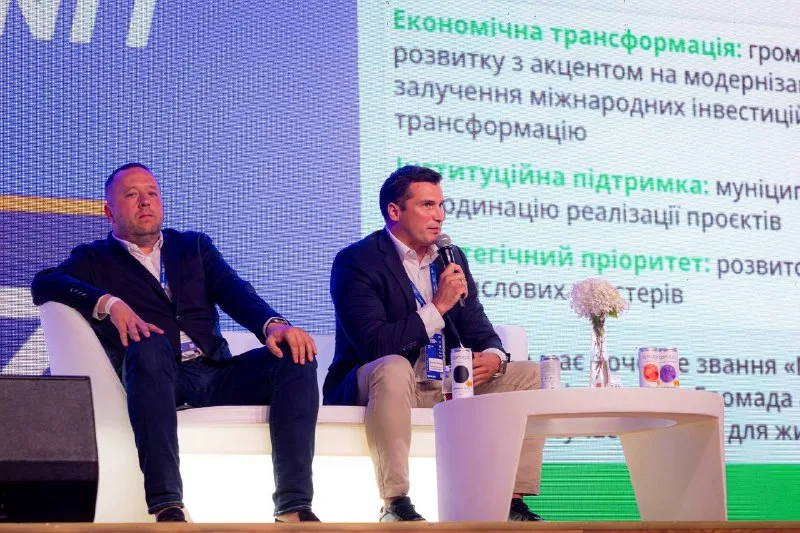
The Bucha community has joined the Community Recovery School 3.0. At the forum “Communities that act: recovery solutions under different kinds of war” it was represented by deputy mayor Dmytro Cheichuk.
This was reported by Bucha City Council.
The forum took place in Kyiv on 6 November and brought together government officials, experts and municipal leaders. Bucha’s goal is to adopt the best solutions of other regions and to attract partners and resources for rebuilding in 2026–2027.
At the specialised panel, participants discussed energy independence for critical facilities, protection of utility networks and common planning standards for different types of communities.
Dmytro CheichukDeputy Mayor of BuchaUkraine’s recovery starts with communities. And the real result is measured not only by the number of rebuilt facilities but by how systematically we bring full life and economic activity back to the regions.
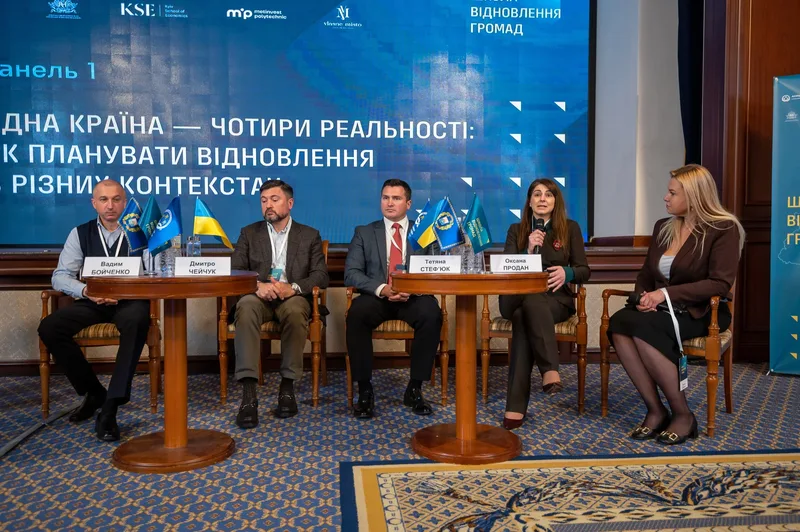 Photo: Bucha City Council
What the school is
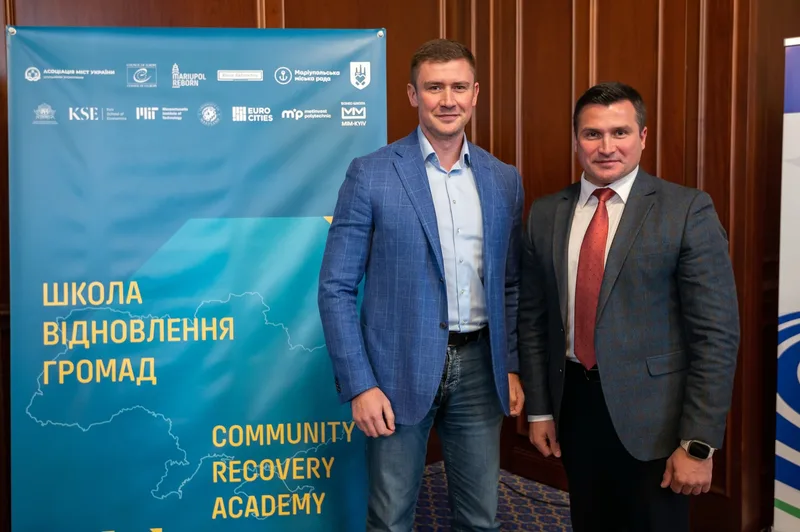
The Community Recovery School was founded by the Association of Ukrainian Cities and the NGO Mariupol.Reborn with support from the Council of Europe and the Rinat Akhmetov Foundation. It is now in its third year.
The third intake began studying at the end of October: 123 managers from 41 communities in 20 oblasts. The programme will run for nine months, until June 2027, and at least 70% of it is practical work.
Each community is expected to leave the school with a project portfolio and a priority project brought to readiness. The two previous intakes trained 230 managers, and the school’s graduates now work in 65 communities.
What has been rebuilt
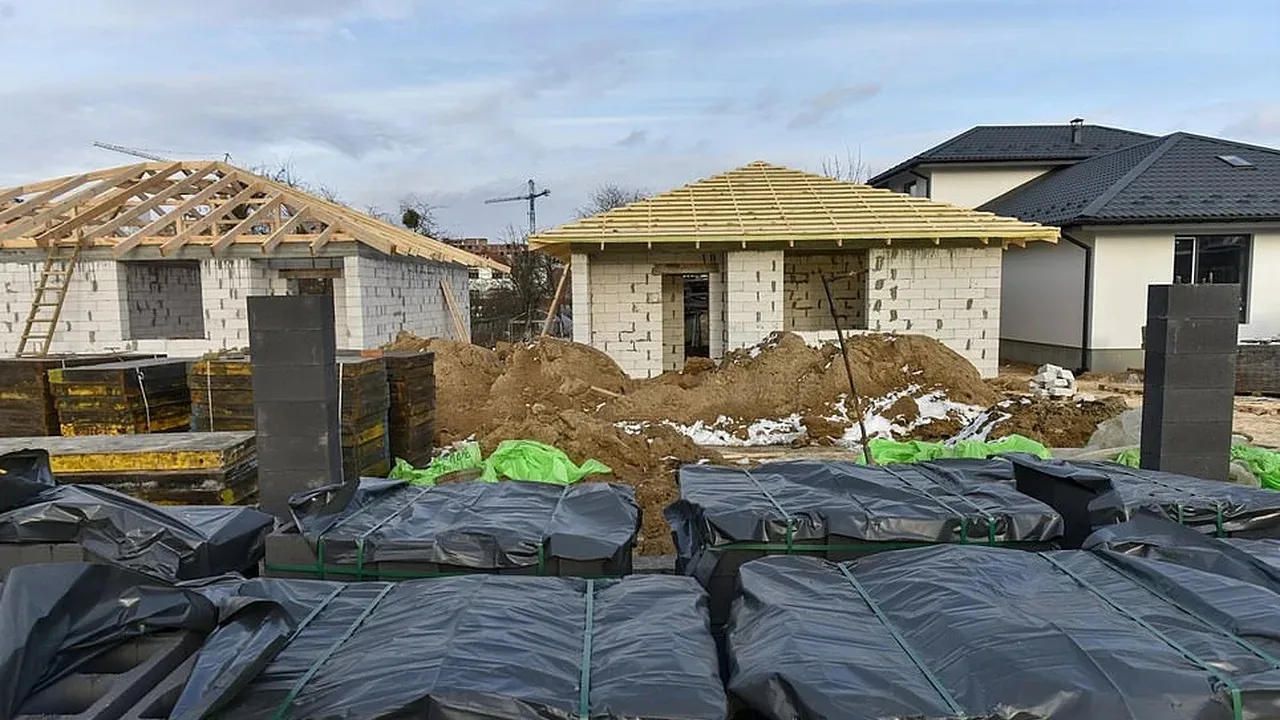
As of February 2026, the Bucha community had fully or partly restored 2,448 sites: 331 apartment blocks, 2,055 private homes and 62 public facilities.
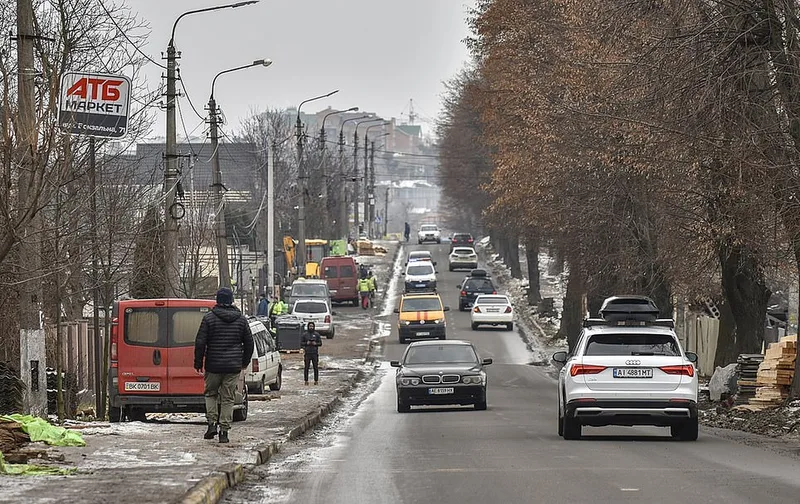
Vokzalna Street suffered most: the battle with a russian armoured column damaged 215 houses there. Rebuilding began at the end of October 2022 under the Hope for Bucha project funded by the Howard G. Buffett Foundation.
By May 2023, 110 houses on Vokzalna had been repaired and 12 destroyed ones rebuilt from scratch. The photos taken by the same shop show how much the street changed in less than a year.
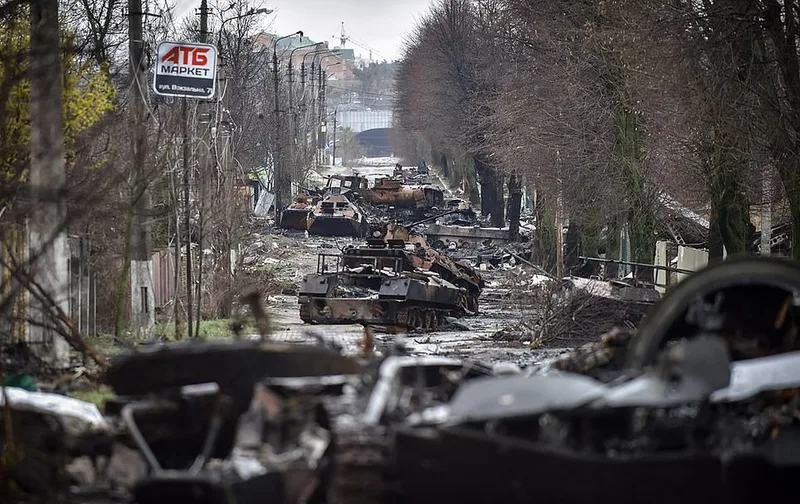 Photo: EPA
It is not only housing being rebuilt. This autumn the major renovation of the consultative and diagnostic centre on Polova Street, for which Taiwan provided more than UAH 12 million, was nearly completed.
And people are coming back. As of 1 February 2026, the Bucha community had 69,524 residents, compared with 62,101 in October 2021. The community is now larger than before the full-scale war.
Who pays next
The largest programme now is the World Bank’s HOPE project. Under it, the community plans major repairs to 87 apartment blocks damaged by russian aggression.
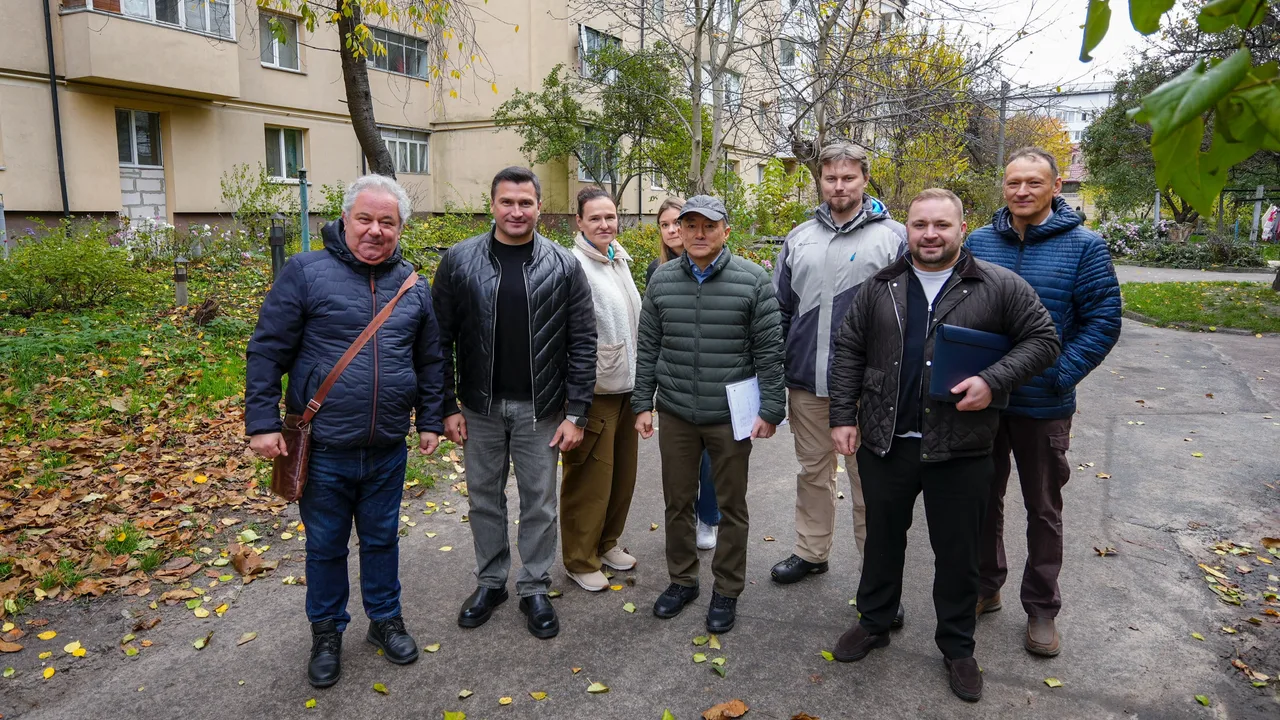
In early November, the bank’s technical experts and Dmytro Cheichuk inspected buildings on Vodoprovidna and Tarasivska streets. The delegation was led by Bekim Imeri, the World Bank’s coordinator for Ukraine.
Bucha is also one of seven communities in the international green recovery programme Rebuild Green 2030. At its hackathon, an international team is preparing a barrier-free recreation project for the Myrotske lakes.
The hackathon winners will be announced in Warsaw on 12 November. The winning team will receive expert support worth up to 50,000 euros.
The community also has more money of its own: in nine months its budget received UAH 1.7 billion, UAH 664.4 million more than a year earlier. Part of the surplus went to mobile shelters, generator fuel and Invincibility Points.
How Bucha prepares for winter
The energy independence discussed at the forum is already being built in Bucha. Solar plants at critical infrastructure sites, medical facilities and schools produce an average of 18.3 MWh a month.
This autumn the community is installing two more hybrid inverters with 200 kW and 20 battery modules with 153.6 kWh. The equipment came from Swiss Solidarity, Helvetas Ukraine and the NGO DESPRO.
There is less sun in winter, so the focus is on storage. For the modular towns in Bucha and Vorzel, home to 452 displaced people, the Red Cross handed over solar panels for plants of almost 600 kW.
Along with the panels, 37 hybrid inverters and 185 batteries with a total capacity of almost 1 MWh will be installed there. This reserve will be used during power outages.
Water is covered too: the borehole in the Sklozavod district now has its own 30 kW solar plant with batteries. The reserve should be enough to keep it running during outages.
Where rebuilding is stalling
Not everything is on schedule. The apartment block at 101 Zakhysnykiv Ukrainy Street (formerly Vokzalna) was due to be restored by the end of 2023, yet in summer 2026 residents were still complaining about unfinished entrances and lifts that do not work.
A department of the Kyiv Oblast Military Administration signed the contract with Nidkom LLC in July 2023 for more than UAH 91 million. Since then 13 supplementary agreements have been signed, and the latest extends the work schedule to 31 December 2027.
And the war keeps adding new damage. On the night of 27 September alone, a russian attack damaged 14 flats in Bucha, at least 20 private houses and a private kindergarten.
As a reminder, Bucha has become one of four pilot communities for the national barrier-free plan.
Nota bene
Bucha FM is an independent news site and station for the Bucha district. We cover what matters to the community, and we work for you — and because of you. Joining the people who make this possible is simple: support us with any amount.
Comments
No comments yet — be the first.