Ukraine has a new state language standard on barrier-free terminology, and Borodianka Settlement Council has explained how to apply it in official texts. The document was prepared by a working group led by the President’s commissioner for barrier-free issues.
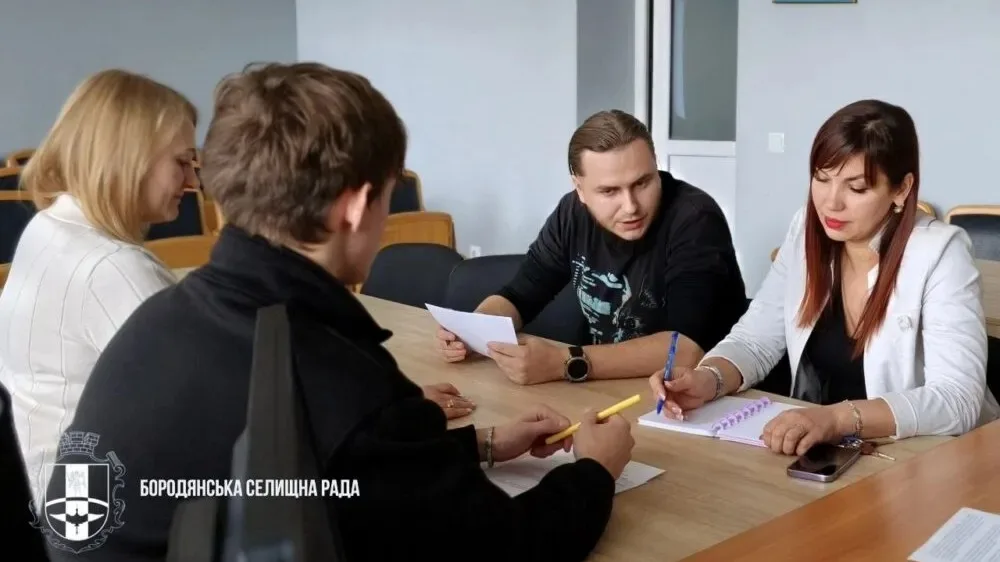
This was reported by Borodianka Settlement Council, which published the full text of the standard.
The standard advises against naming a person by a diagnosis or a single feature. The undesirable Ukrainian terms are those meaning invalid, paralytic, amputee, diabetic, deaf-mute, person with special needs, person with limited abilities and handicapped.
Instead, the document offers constructions that put the person first. Here are some examples from the standard itself that come up most often in official texts.
- person with a disability instead of “invalid”
- older person instead of “person of advanced age” or “elderly person”
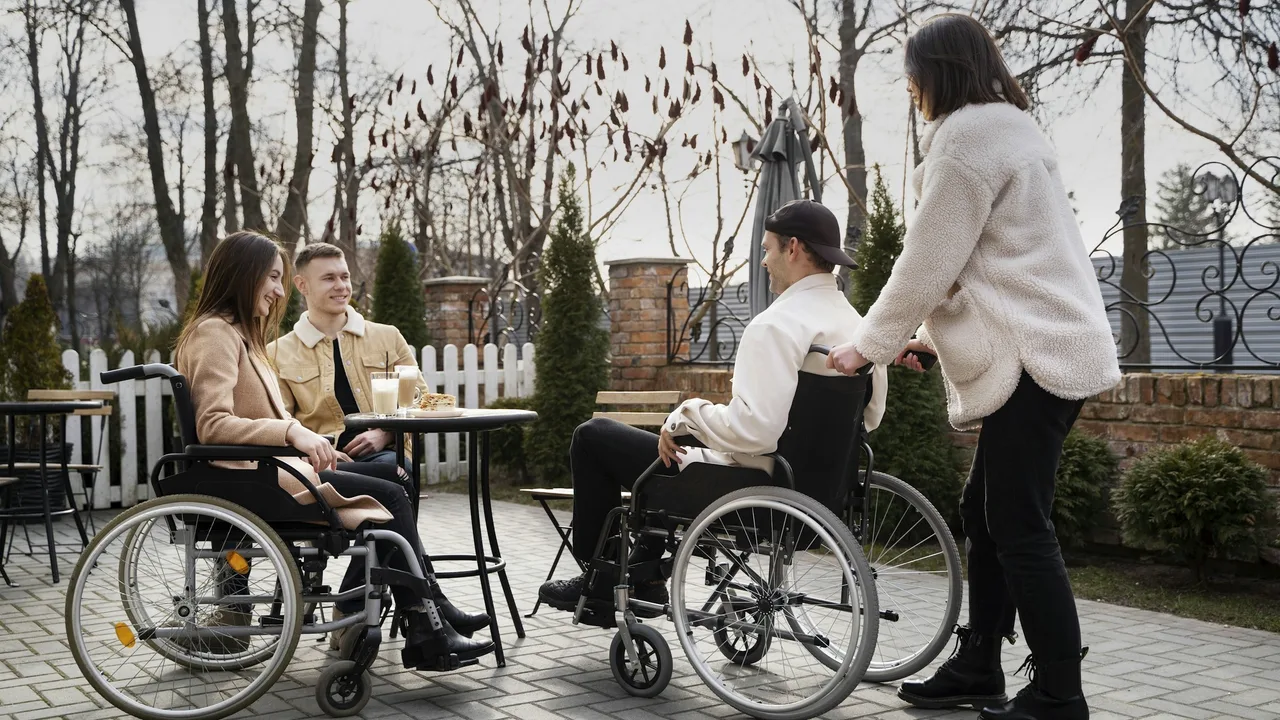
- person who uses a wheelchair, with the standard term for the chair itself
- family in difficult life circumstances instead of “dysfunctional family”
- no labels such as “special children”, “inclusive children” or “neurotypical children”
At the same time, the standard respects a person’s right to choose how to be described. So the document also mentions community self-identification, including the phrases “autistic person” and “deaf person”.
The standard applies to official communication: paperwork, replies to citizens’ appeals and messages from public bodies. Terms in existing laws can only be changed in the way prescribed by law.
As a reminder, Bucha became one of four pilot communities for the national barrier-free plan.
Nota bene
Bucha FM is an independent news site and station for the Bucha district. We cover what matters to the community, and we work for you — and because of you. Joining the people who make this possible is simple: support us with any amount.


Comments
No comments yet — be the first.