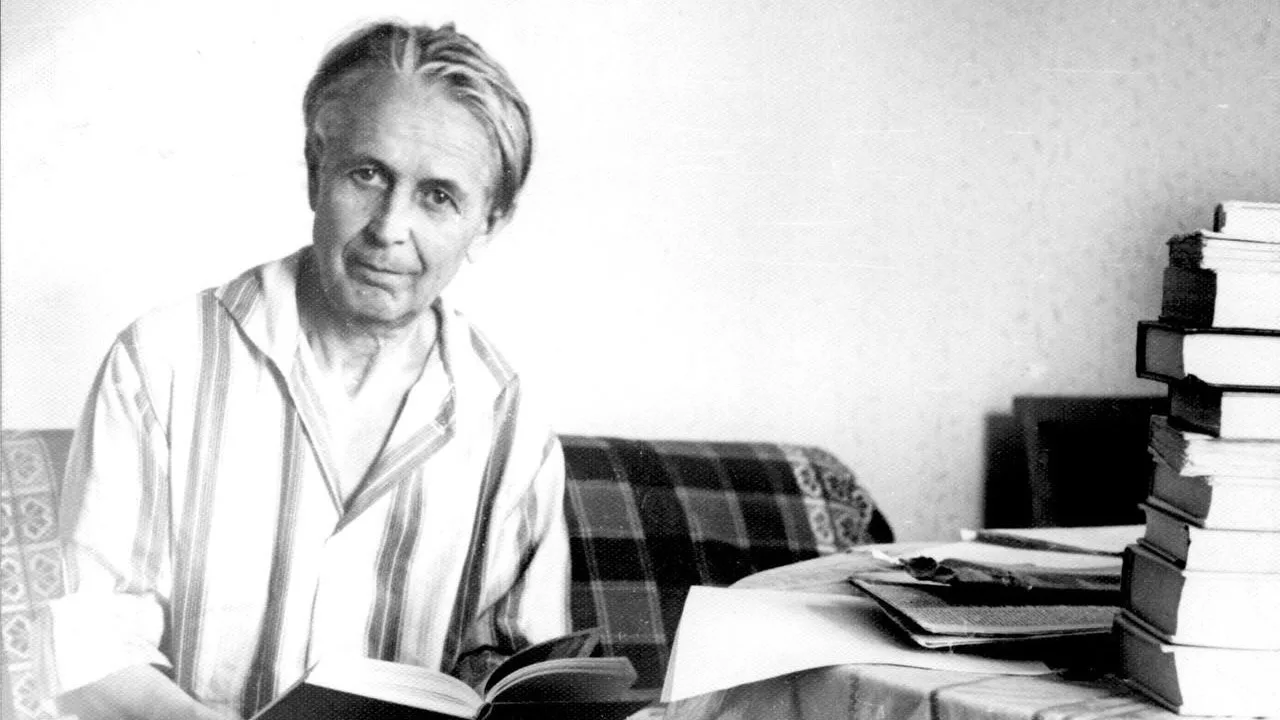
Hryhorii Kochur would have turned 118 on 17 November. The life and work of the translator, literary scholar and member of the Sixtiers generation are inseparable from Irpin.
This was recalled by Irpin’s first deputy mayor Oleksandr Pashchynskyi.
Kochur laid the foundations of modern Ukrainian literary translation, introducing Ukrainian readers to writers and poets from dozens of the world’s languages.
In 1943 the Soviet authorities arrested him on charges of “Ukrainian bourgeois nationalism” and sentenced him to ten years in the camps. He survived the Gulag without renouncing his convictions.
The house where the Sixtiers gathered
After his release, Kochur and his wife settled in Irpin. Their home became a centre of Ukrainian intellectual life, visited by Vasyl Stus, Ivan Dziuba, Viacheslav Chornovil and Vasyl Symonenko.
Even under Soviet pressure, Kochur did not stay silent: he signed the well-known “Letter of 139” in defence of arrested Ukrainian intellectuals.
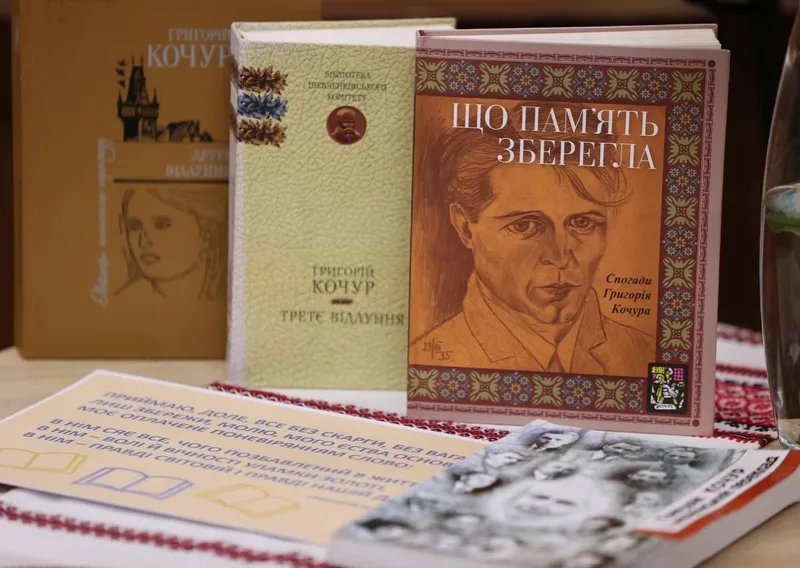 Photo: Oleksandr Pashchynskyi
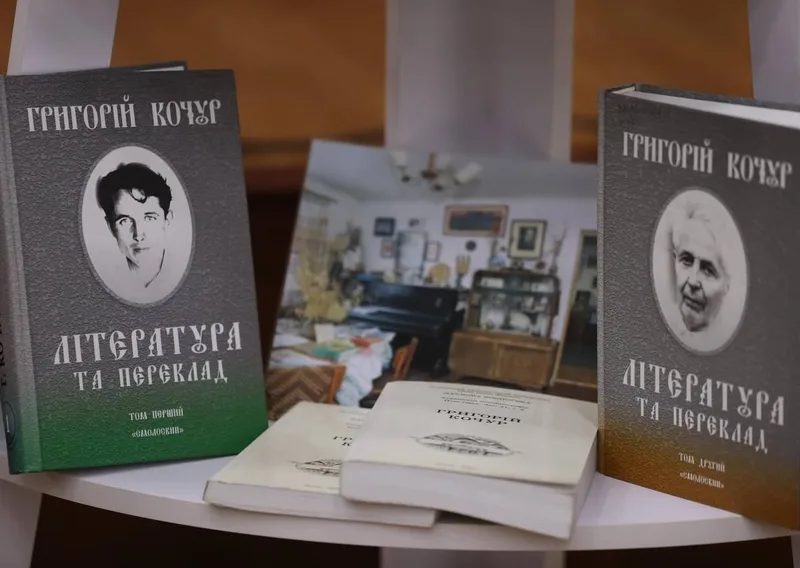
Today the house where the translator lived, at 12 Hryhoriia Kochura Street, is a literary museum named after him. Mariia Kochur has looked after it for many years, and every year Irpin hosts the international Kochur Fest translation festival.
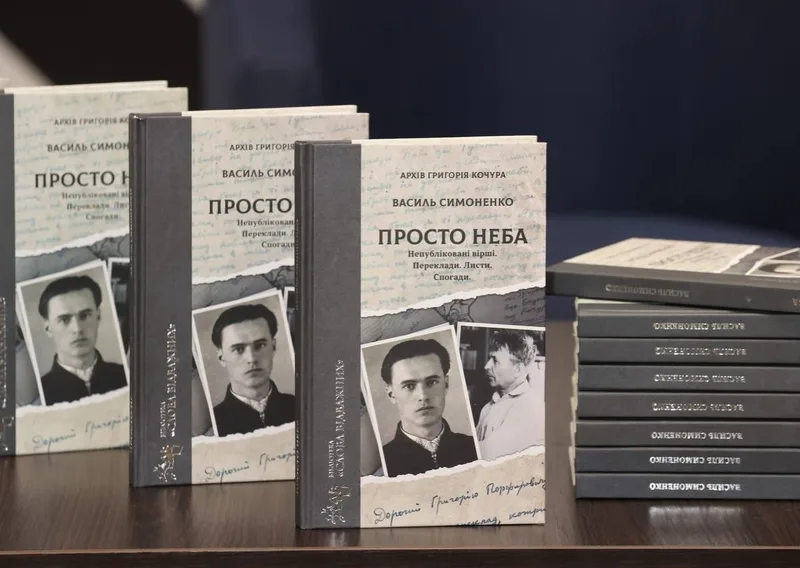
His legacy continues to be published: the Vidvazhni Society has reissued an expanded edition of “The Inta Notebook” and a collection of previously unpublished works by Vasyl Symonenko, “Prosto neba”, from Kochur’s archives.
As a reminder, a forum in Odesa honoured Bucha artist Liubov Panchenko, a member of the Sixtiers, among ten “women of freedom”.
Nota bene
Bucha FM is an independent news site and station for the Bucha district. We cover what matters to the community, and we work for you — and because of you. Joining the people who make this possible is simple: support us with any amount.
Comments
No comments yet — be the first.